Summer heat in Wood River is not a polite suggestion, it is a mandate. When the temperature climbs and your air conditioner hesitates, splutters, or simply stops delivering, the choice of who to call matters. B & W Heating & Cooling has been the name homeowners and small businesses reach for when they need reliable AC repair in Wood River IL. This piece explains why experience matters, how technicians diagnose common problems, what honest pricing looks like, AC maintenance in Wood River IL and when replacement makes more sense than repair. I’ll draw on hands-on trade experience, real-world numbers, and practical scenarios you can use when you make decisions about your cooling system.
Why people prefer a local team Wood River has a mix of older homes and newer builds. That means a single technician may encounter a 20-year-old split system one day and a high-efficiency packaged unit the next. A local HVAC contractor in Wood River who has worked across that range understands the quirks that show up more often here: undersized ducts from older renovations, attic insulation levels that affect load, and corrosion issues on units near the Mississippi River valley.
Being local also shortens response time. For many breakdowns, speed affects severity. A refrigerant leak left unattended will damage the compressor, turning a fixable job into a costly replacement. A team that can get to your house the same day lowers the risk of secondary failures and the discomfort of long, hot nights.
Common failure modes and how we find them There are repeat offenders in residential AC calls. Knowing them helps you spot trouble earlier and keeps repair costs down.
Refrigerant leaks. The system relies on a precise refrigerant charge. Low refrigerant causes longer run times, higher suction temperatures, and eventually compressor burnout. Technicians use electronic leak detectors, nitrogen pressure testing, and UV dye when necessary. If a system is older and the evaporator coil is corroded, patching may be temporary — replacing the coil or the outdoor unit could be the better long-term choice.
Capacitor and contactor failures. These small electrical components control fan motors and compressors. When a capacitor weakens, you might hear a humming start or see the outdoor fan struggle to start. Contactor pitting leads to intermittent operation. Replacing these parts often restores function for a fraction of the cost of major components. Expect a repair in the low hundreds when a single capacitor or contactor is the culprit.
Compressor failures. The compressor is the engine of the system. When it fails, repair costs jump and replacement often becomes the prudent call. Compressors fail because of electrical stress, low refrigerant that causes overheating, or contamination from a failed motor. Diagnosing involves measuring amps, checking insulation resistance, and inspecting for signs of burn or oil contamination.
Clogged drain lines and dirty coils. These are maintenance problems with simple remedies. An obstructed condensate drain can overflow and trip float switches, shutting the system down. Dirty condenser coils reduce heat rejection and can raise compressor discharge temperatures. A 10 to 15 percent efficiency loss from dirty coils is common and easily reversed with a coil cleaning.
Duct issues. Leaky or undersized ducts reduce airflow, create uneven cooling, and force the system to run longer. In some homes, adding a single booster register or sealing a few seams with mastic will restore balanced airflow. In others, especially where ducts run through an unconditioned crawlspace, a partial redesign is the right move to prevent persistent comfort complaints.
Diagnostics that save money A proper diagnosis is more valuable than a cheap service call that guesses the problem. A technician who measures pressures, temperatures, amps, and airflow gives you a specific plan. Here is a typical approach that I’ve seen applied effectively:
- Inspect the outdoor unit for debris, measure static pressure across filters, and check the thermostat calibration. Measure liquid and suction line temperatures, and compare pressures to charted saturation temperatures to infer refrigerant charge. Test motor amps and run capacitor microfarads. Check control voltages and inspect safety switches, float pans, and drain paths. Evaluate airflow across the coil and recommend duct sealing or changes if airflow is out of spec.
This sequence isolates the real issue. For customers, it means fewer surprises and fewer return visits. When B & W Heating & Cooling performs a service call, you should expect that same methodical approach and a clear explanation of what the measurements mean.
How we price repairs, and what is reasonable Pricing in HVAC tends to create anxiety, partly because the range of possible failures is wide. Here are practical figures you can use when comparing estimates in Wood River:
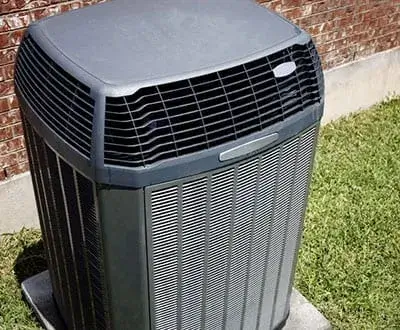
- Minor electrical components, such as capacitors, contactors, or fan motor run capacitors, commonly run between $100 and $350 installed. Refrigerant top-offs for systems with an identified manufactured leak are often a temporary fix and can cost $150 to $400 depending on the type and amount of refrigerant. Evaporator coil replacement frequently falls in the $800 to $1,800 range, depending on access and coil size. Full outdoor condensing unit replacement commonly ranges from $1,200 to $3,500 for residential units, with higher-efficiency or larger-tonnage models toward the top. A full system replacement, including indoor coil, outdoor unit, and a matched refrigerant charge, typically starts around $3,500 and can rise to $8,000 or more for larger homes or higher efficiency systems.
Numbers vary by brand, warranty, and local labor rates. The right price is transparent about parts, labor, warranty, and the tax or permit costs if any. B & W Heating & Cooling provides written estimates that list these details, so you are comparing apples to apples.
When repair is sensible and when replacement is better There are no perfect rules, but experience suggests a few guardrails. Repair makes sense when the failing component is not the core of the system, the unit is under 10 years old, and the repair cost is less than 40 percent of the replacement price. Replacement is preferable when multiple components fail, the compressor is shot, or the system is older than 12 to 15 years and efficiency gains will pay for themselves over time.
Consider this scenario. A 12-year-old split system needs a new compressor and a charge of R-22 refrigerant. R-22 is being phased out and carries a premium. Thus, the repair cost could approach 50 to 60 percent of a new system. Replacing the entire system with a modern R-410A or alternative refrigerant unit, matched to a properly sized coil and ductwork adjustments, becomes the more economical long-range choice. The homeowner gains improved efficiency, likely a lower SEER rating that translates into measurable monthly savings, and a fresh warranty.
The importance of proper installation A perfect diagnosis or a new high-efficiency unit will underperform if installation is sloppy. Oversizing or undersizing a unit is a common mistake; both create short cycling, humidity problems, and premature wear. Proper sizing uses Manual J load calculations, which account for insulation, window orientation, airtightness, and occupancy. I have seen systems of record-sized capacities that still failed to comfort rooms because ducts were undersized or returns were inadequate.
A quality AC installation in Wood River begins with a load calculation, a duct assessment, and a plan for refrigerant line set lengths and insulation. Technicians should verify airflow in cubic feet per minute, measure supply and return temperatures, and calibrate thermostats. When B & W Heating & Cooling installs a system, they balance those steps with practical constraints like attic access and homeowner priorities.
Maintenance that extends life and saves dollars Regular maintenance is the best investment for avoiding emergency AC repair in Wood River IL. A modest annual tune-up restores performance and reduces the chance of mid-summer breakdowns. Maintenance does three tangible things: it ensures safe and efficient operation, it prolongs component life, and it preserves warranty coverage on some equipment.
A typical maintenance visit includes cleaning or replacing filters, checking refrigerant levels, inspecting electrical connections, lubricating moving parts if necessary, and cleaning coils. In many systems, a professional cleaning of the condenser coil yields a 5 to 15 percent improvement in efficiency. If your system has not been serviced in two years, odds are the compressor is working harder than it should, which shortens service life.
I recommend a maintenance schedule based on system age. For systems under eight years old, annual visits usually suffice. For older systems, schedule maintenance twice a year, one in spring and one in fall, to catch issues before extremes in weather push the system into failure.
When comfort issues are not mechanical Not every cooling complaint is a mechanical failure. Sometimes it's zoning, ductwork, or thermostat strategy. A house might cool unevenly because some rooms have more sun exposure or because existing vents are blocked by furniture. A smart thermostat with remote sensors can re-balance comfort without a single tightened screw. Zoning systems with dampers solve persistent multi-story complaints where one thermostat fails to represent the whole house.
Another common non-mechanical issue is poor humidity control. If your AC runs but rooms feel clammy, it may be oversized or lacking sensible cooling capacity. Dehumidifiers or proper airflow adjustments can treat the root cause. B & W Heating & Cooling offers assessments that distinguish between root causes and symptoms so you avoid paying for unnecessary services.
Real-world anecdotes that teach a lesson I once worked on a bungalow where the owner had repeatedly paid for refrigerant top-offs. The unit would perform perfectly after each service, then fail within a month. The problem was a pinhole leak in the evaporator coil hidden behind the furnace plenum. Patching would have been temporary and hazardous. The recommendation to replace the coil and install a new drier saved the homeowner recurring expenses and the risk of oil and moisture contaminating the compressor.
In another case, a newer homeowner complained of uneven cooling. Technicians found a return air grille blocked by a closet door that had been installed during a remodel. A simple return relocation and sealing the duct joints improved airflow and brought temperatures within one degree across rooms. The moral: start with simple checks before replacing major components.
When you call annual AC maintenance Wood River IL B & W Heating & Cooling You want responsiveness, clear answers, and an audit trail. Expect technicians who show up on time, inspect thoroughly, and present options rather than push a single fix. Here is a short checklist to help you decide when to call and what to ask when they arrive:
- symptoms to report: unusual noises, weak airflow, ice on lines, or frequent cycling the age of the system and any previous repairs performed recent changes in the home: new windows, insulation, or remodeling that might affect loads whether there are warranty records and service histories available ask for a written estimate that separates parts, labor, and warranty details
These points will keep the call productive and reduce the risk of overlooked factors.
Choosing between contractors A low price can be alluring, but cheap labor and mismatched equipment often show up as callbacks and higher lifetime expense. Look for a contractor in Wood River who offers these concrete assurances: licensed technicians, clearly stated warranties on parts and labor, verified references, and an inspection that includes measurements rather than guesswork. A local HVAC repair in Wood River that backs its work with a service guarantee pays dividends when something unexpected happens.
How to budget for replacements and upgrades If your system is nearing the end of its expected life, plan and budget rather than waiting for a catastrophic failure. A replacement budget can be phased across savings, financing, or a combination. Energy-efficient models often come with rebates and lower operating costs. Discuss projected payback with your contractor using your historical energy usage as a baseline. For homeowners aiming to recoup investment in five to seven years, aim for systems with a substantial efficiency advantage over the current unit.
Final practical notes on safety and trust Never attempt to service refrigerant systems without proper certification. Refrigerants, electrical systems, and pressurized components are hazardous. A reputable HVAC contractor in Wood River will be EPA certified for refrigerant handling and carry liability insurance. Ask to see credentials if you have any doubt.
Trust is built piece by piece. It is the offhand recommendation from a neighbor, the technician who explains a reading rather than showing a bill, the shop that stands by a warranty. B & W Heating & Cooling has built local trust by focusing on clear communication, doing the right repair instead of the most profitable one, and showing up when people need them.
If your AC is struggling, take the first step: document the symptoms, check the air filter and thermostat settings, and call for a diagnostic that will give you a clear set of options. When comfort and reliability matter, an experienced local team reduces stress and keeps your home cool and safe through the hottest days.
B & W Heating & Cooling
3925 Blackburn Rd, Edwardsville, IL 62025
(618) 254-0645
[email protected]
Website: https://www.bwheatcool.com/